
No matter what line of work you are in, your hands are among the most used and most delicate parts of your body. Everything from typing on a keyboard to lifting heavy objects, and even hobbies like sports and gardening, carries some risk of injury. Hand injuries happen in many ways and are very common, but they can still be severe.
At H&D Physical Therapy, we provide hand therapy in New York City to people of any age who are experiencing pain, weakness, or limitations in the use of their hands. Whether you have a sudden injury, an overuse condition, or you have noticed that carrying things is harder than it used to be, our team can help you regain function and mobility. Knowing the common hand injuries and the early signs of hand weakness can help you prevent future damage and recognize when hand therapy is necessary.
Sudden (Acute) Hand Injuries
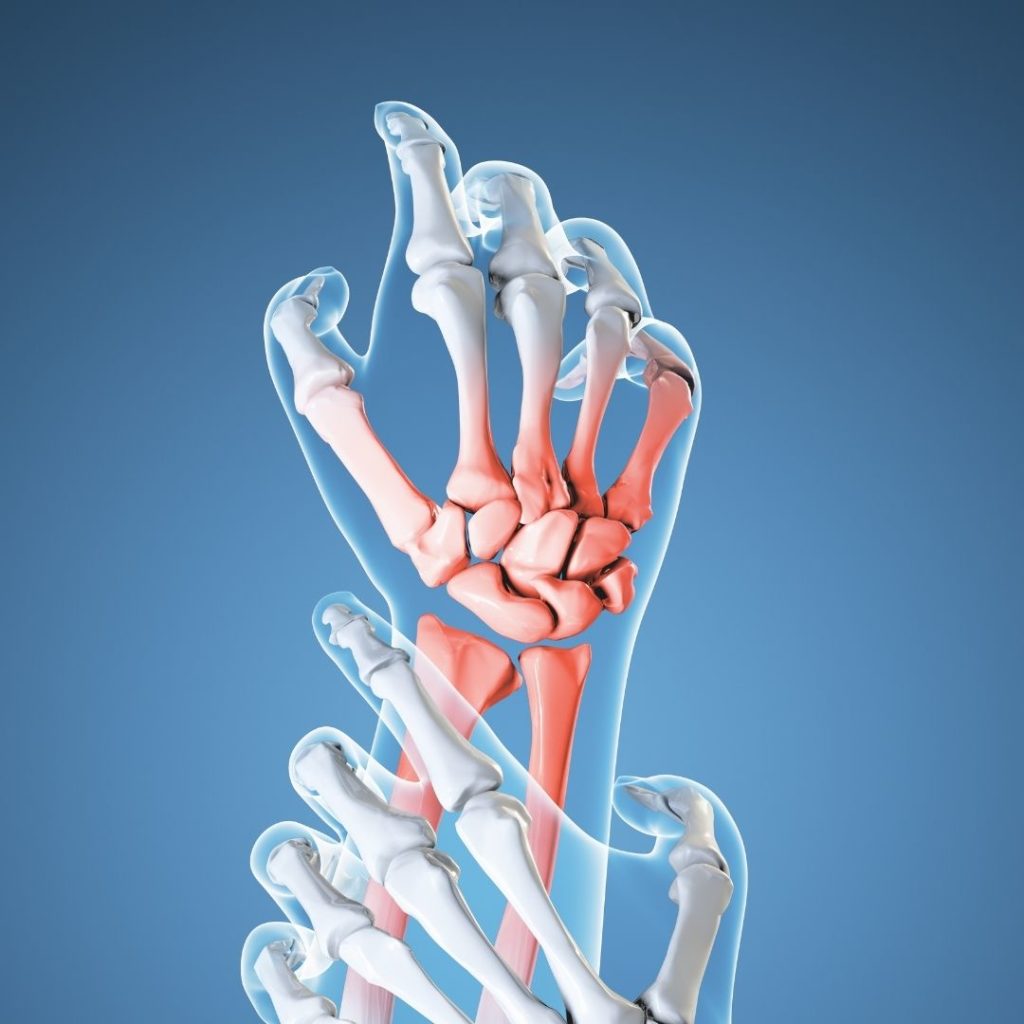
Hand injuries fall into two notable groups: sudden injuries and overuse injuries. Sudden, or acute, injuries occur when a harsh impact hits the hand or wrist. They often happen during high-impact sports such as football, but a fall or accident can cause one just as easily. Common acute hand injuries include:
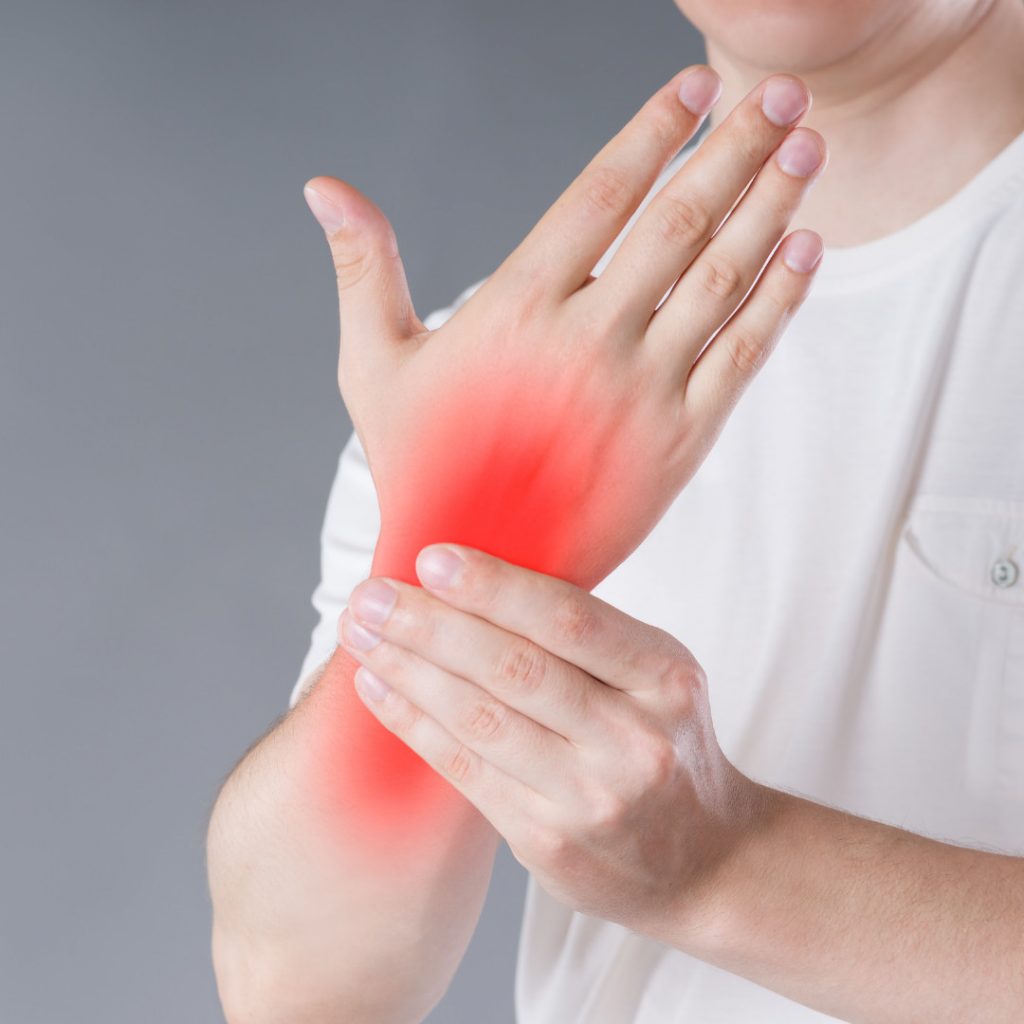
- Skier’s thumb – The thumb is pulled too far to the side, tearing the ulnar collateral ligament. As the name suggests, skiers often get this injury during a fall while holding a ski pole.
- Mallet finger – The tendon in the fingertip ruptures, leaving the fingertip unable to straighten. This can happen when the fingertip is hit with a ball or slammed in a door.
- Joint sprains – The ligaments in the hand are stretched too far and tear. Depending on the severity, hand therapy may be needed.
- Broken bones (fractures) – A fracture is a bone broken by force. High-impact sports raise the chance of breaking bones in the hand or wrist; protective gear reduces that risk. A “boxer’s fracture” happens when you punch something hard and the metacarpal bones break.
- Dislocations – A bone comes out of its socket at a joint. A sudden twist, a fall, or a direct blow can pull a finger or wrist joint out of place. A fall onto the hand can also push the bones of the palm up into the wrist.
- Lacerations – A cut or tear in the skin. A palm laceration happens when something hits or scrapes across the palm, such as a fall on pavement or using your hand to shield yourself from something sharp.
- Burns – Another common category of hand injury that may require wound care and therapy to restore movement.
Always seek medical attention for any open fracture or dislocation. These injuries can damage blood vessels and nerves in the hand and lead to loss of function.
Overuse Hand Injuries
Overuse injuries develop when too much stress is placed on a joint, tendon, or muscle over time. Overdoing or repeating the same activity, such as lifting heavy objects or performing the same motion all day at work, can cause them. Hand therapy in New York City is highly effective for these problems. Common overuse injuries include:
- Carpal tunnel syndrome – Repetitive wrist movement, including typing, irritates the median nerve, causing swelling and pressure on the nerve. You may feel pain, numbness, and tingling in the wrist and fingers.
- Tendonitis – The most common overuse hand injury. Tendons in the hand or wrist become inflamed, making it painful to move your fingers and leading to stiffness.
- De Quervain’s tenosynovitis – The tendons of the thumb and wrist become irritated. Jobs that require twisting the wrist, or hobbies such as knitting, can bring it on.
- Stenosing tenosynovitis (trigger finger) – Tendons on the palm side of the hand swell, and the finger may lock in a bent position. Repeated stress on the fingers can cause this condition.
Common Conditions We Treat in Detail
Wrist Fractures
Wrist fractures are among the most common orthopedic hand injuries we see, especially in spring and summer when outdoor activity increases. They usually result from falling off a moving object, most often a bicycle or skateboard, because your hands are your only way to brace the fall.
If you believe you have fractured your wrist, the first step is imaging to confirm it. An MRI can pick up minor fractures that an X-ray may miss. If the broken ends of the bone are not aligned, your doctor may perform a reduction procedure, and the wrist is typically placed in a cast. While the cast is on, keep moving your fingers as much as possible to prevent stiffness, but do not move the affected bone. Once the cast comes off, hand therapy begins with specific exercises to fully restore mobility.
Carpal Tunnel Syndrome
Carpal tunnel syndrome can happen to anyone at any time of year. It is most common in people who spend long hours on a computer or writing. Too much pressure on the median nerve in the palm, often from the wrist staying in one position for long periods, compresses the nerve. Symptoms include:
- Tingling and numbness in the hand
- An electrical shock-like feeling
- General weakness in the hand and trouble gripping objects firmly
Symptoms can sometimes extend up the entire arm. Once they interfere with everyday activities, it is time to seek care. Physical therapy can relieve the pain and numbness, and we offer bracing to ease symptoms. Severe cases may still require surgery.
Tendonitis
Tendonitis is inflammation of the tendons that connect the muscles controlling your wrist. It is usually caused by repeated strain from the same activities that lead to carpal tunnel syndrome, such as constant typing or writing. Symptoms include difficulty with everyday wrist tasks like opening jars and turning doorknobs, stiffness, a popping sensation, and swelling.
Anti-inflammatory medication can help, and physical therapy is very effective. Two treatments we use are eccentric stretching, which lengthens the muscle under controlled load, and dry needling, which places a sterile monofilament needle into a trigger point to release the muscle.
Is It Clumsiness or Hand Weakness?
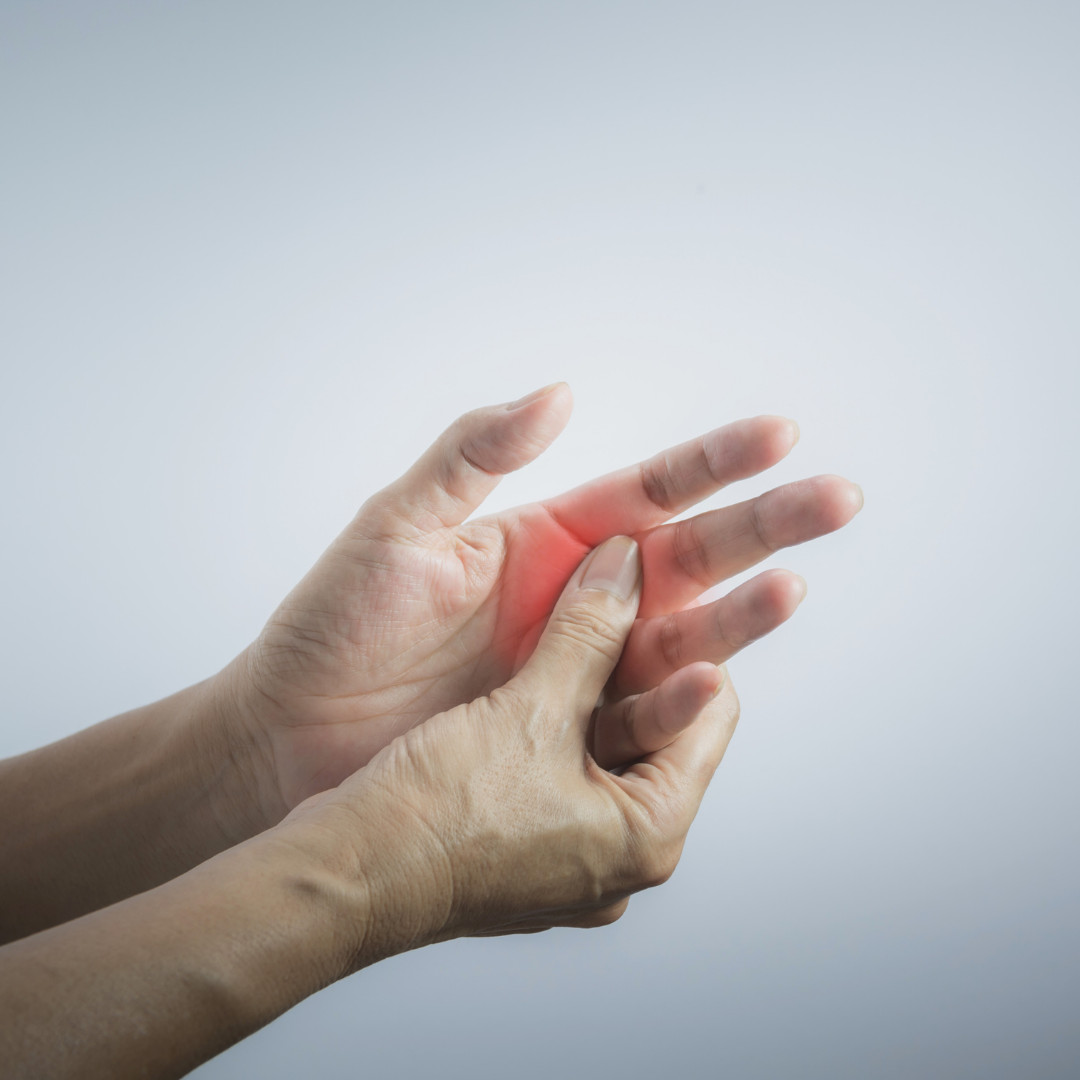
Does it seem like carrying things used to be easier, or that your handshake used to be firmer? If so, you may be dealing with hand weakness rather than simple clumsiness. Because we rely on our hands for nearly every daily task, it is important to seek treatment right away.
If you often drop things or find that items slip out of your hands, you might think of yourself as clumsy. While clumsiness is usually minor in healthy people, it can point to a bigger problem. The hands are highly complex and prone to issues. You may be dealing with hand weakness if you notice any of the following:
- Numbness
- A weak grip
- Trouble carrying items that used to be manageable
- Hand pain
- Clumsiness when using your hands
- Fatigue in the hands
Hand weakness can be caused by several conditions, including arthritis, carpal tunnel syndrome, peripheral neuropathy, and ganglion cysts. Excessive repetitive use of the hands can also reduce function and strength. Hand therapy at H&D can address the cause and build a treatment plan to get you back to full function.
Risk Factors and Prevention
Some known risk factors for hand injuries include:
- Being a man between the ages of 16 and 35
- Working with tools at home or on the job, such as carpentry or mechanical work
- Heavy alcohol use
- Playing sports that put the hands at risk, such as boxing or skiing
Ways to reduce your risk:
- Wear gloves and other protective gear during sports, driving, and any activity that could injure your hands.
- Use tools correctly and carefully, especially when not wearing gloves.
- Avoid alcohol before sports or any activity that could injure your hands.
- Consider avoiding high-risk activities such as boxing or skiing, or take extra precautions when you do them.
If you do get hurt, ibuprofen or acetaminophen can help with pain and ice can reduce swelling. A cut may need stitches, and a broken bone may need a cast, splint, or surgery. Tell your doctor about all of your symptoms and medical history before treatment, and seek care right away for any open fracture or dislocation.
How Hand Therapy in New York City Can Help
If you have any of the injuries or symptoms above, hand therapy is more helpful than you might think. At H&D Physical Therapy, we have experience successfully treating every type of hand- and joint-related impairment. We understand that each patient and diagnosis is different, so we evaluate your needs and develop the most effective plan to reduce pain, restore mobility, and rebuild strength. Depending on your condition, treatment may include:
- Custom orthosis fabrication, splinting, and taping
- Bracing for carpal tunnel syndrome and wrist injuries
- Wound management
- Manual therapy, including soft tissue and joint mobilization
- Neuromuscular reeducation
- Eccentric stretching and dry needling for tendonitis
- Paraffin bath
- Strengthening and mobility exercises to restore normal function
To see the complete list of hand injuries we treat, visit our Hand Therapy specialty page.
Contact Us for Hand Therapy in New York City
At H&D Physical Therapy, we treat people, not body parts. Our staff is educated and experienced in hand injuries, and our team takes the time to get to know you and your situation so you receive well-rounded care. We want you to live your life free from pain.
To learn more or to schedule an appointment,